
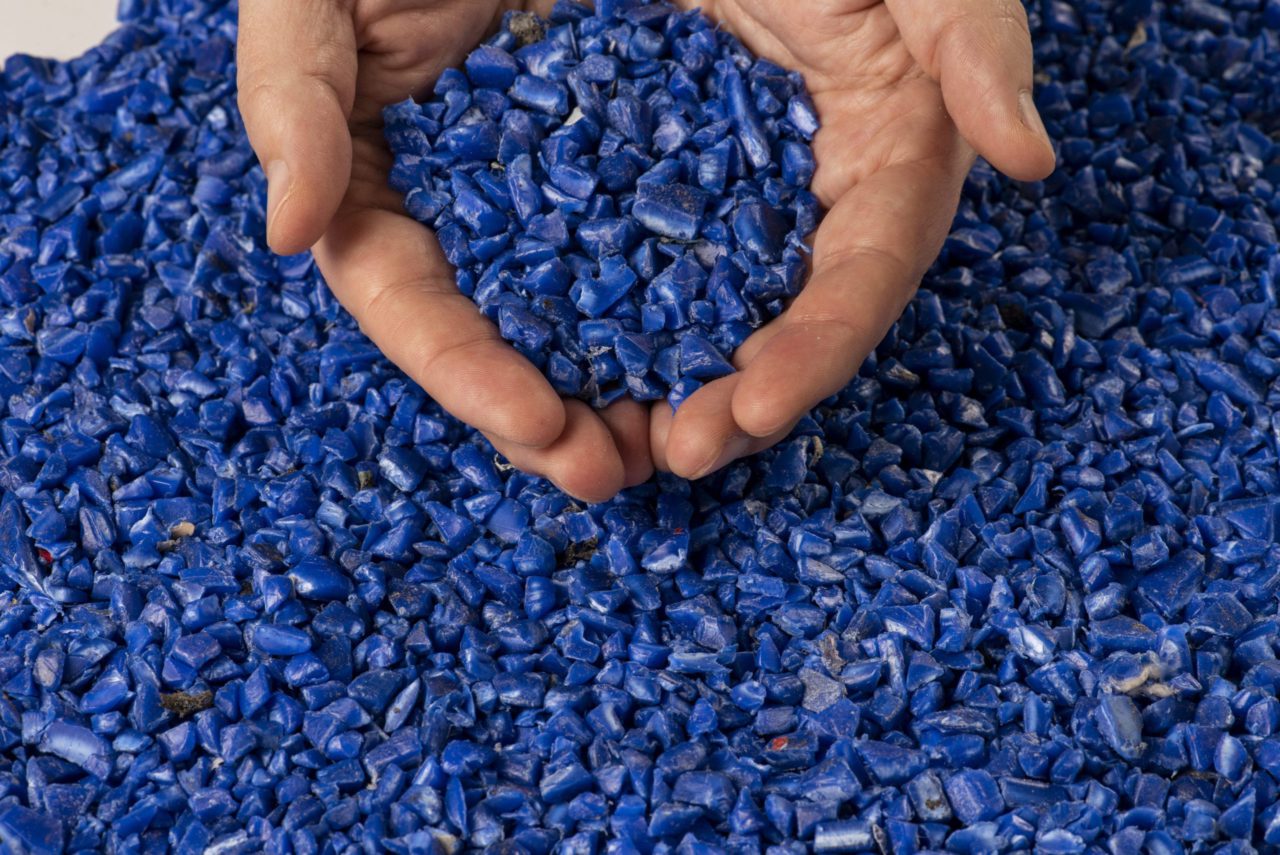
ABS (Acrylonitrile Butadiene Styrene) is one of the most versatile engineering thermoplastics moulded across UK manufacturing. Combining stiffness, impact toughness and a clean surface finish at a competitive resin cost, ABS is a first choice for industrial housings, electronic enclosures and mechanical covers.
What Makes ABS Perform So Well?
ABS is a terpolymer formed from three distinct monomers, each contributing a critical mechanical property:
- Acrylonitrile: Provides chemical resistance, surface hardness and thermal stability.
- Butadiene: Adds toughness and impact strength, even at lower operating temperatures.
- Styrene: Delivers rigidity, easy melt flow during injection and a smooth glossy or textured finish.
Key Mechanical and Processing Properties
Impact Strength and Dimensional Stability
ABS resists cracking under drop loads and maintains tight post moulding tolerances, with typical mould shrinkage of 0.4% to 0.7%. It also machines, bonds and ultrasonically welds cleanly after moulding.
Drying and Moulding Control
Because ABS is mildly hygroscopic, pellets should be dried for 2 to 4 hours at around 80°C before moulding to prevent silver streaking or splay marks. Melt temperatures typically sit between 210°C and 250°C with mould temperatures of 50°C to 80°C depending on wall thickness and surface finish.
Grade Options
Standard general purpose ABS can be upgraded to UL94 V0 flame retardant grades for electrical enclosures, UV stabilised grades for outdoor housings or glass filled grades for higher structural stiffness.
Common UK Industrial Applications
Shiraz Plastic regularly moulds ABS components between 1g and 500g on our 18T to 150T Manchester presses for electrical control boxes, sensor housings, automotive trim clips, point of sale fixtures and protective equipment casings. We also support post moulding ultrasonic welding and sub assembly to deliver ready to install units.
Design Tips for ABS Injection Moulding
- Maintain uniform wall thickness, typically between 1.5mm and 3.5mm, to avoid sink marks opposite ribs and bosses.
- Size internal ribs to 50% to 60% of the nominal wall thickness.
- Use generous internal corner radii to reduce stress concentration and improve melt flow.
Need pricing or polymer guidance for an ABS component? Request a quote from Shiraz Plastic or call 0161 230 6555.
Request a UK Injection Moulding Quote
Shiraz Plastic manufactures precision plastic components from 1g to 500g on 18T to 150T injection moulding presses at our Clayton, Manchester facility, alongside mould transfer, tooling support, assembly, ultrasonic welding and 3D printing. Request a UK Injection Moulding Quote online, email mohammad@shirazplastic.co.uk or call 0161 230 6555.


